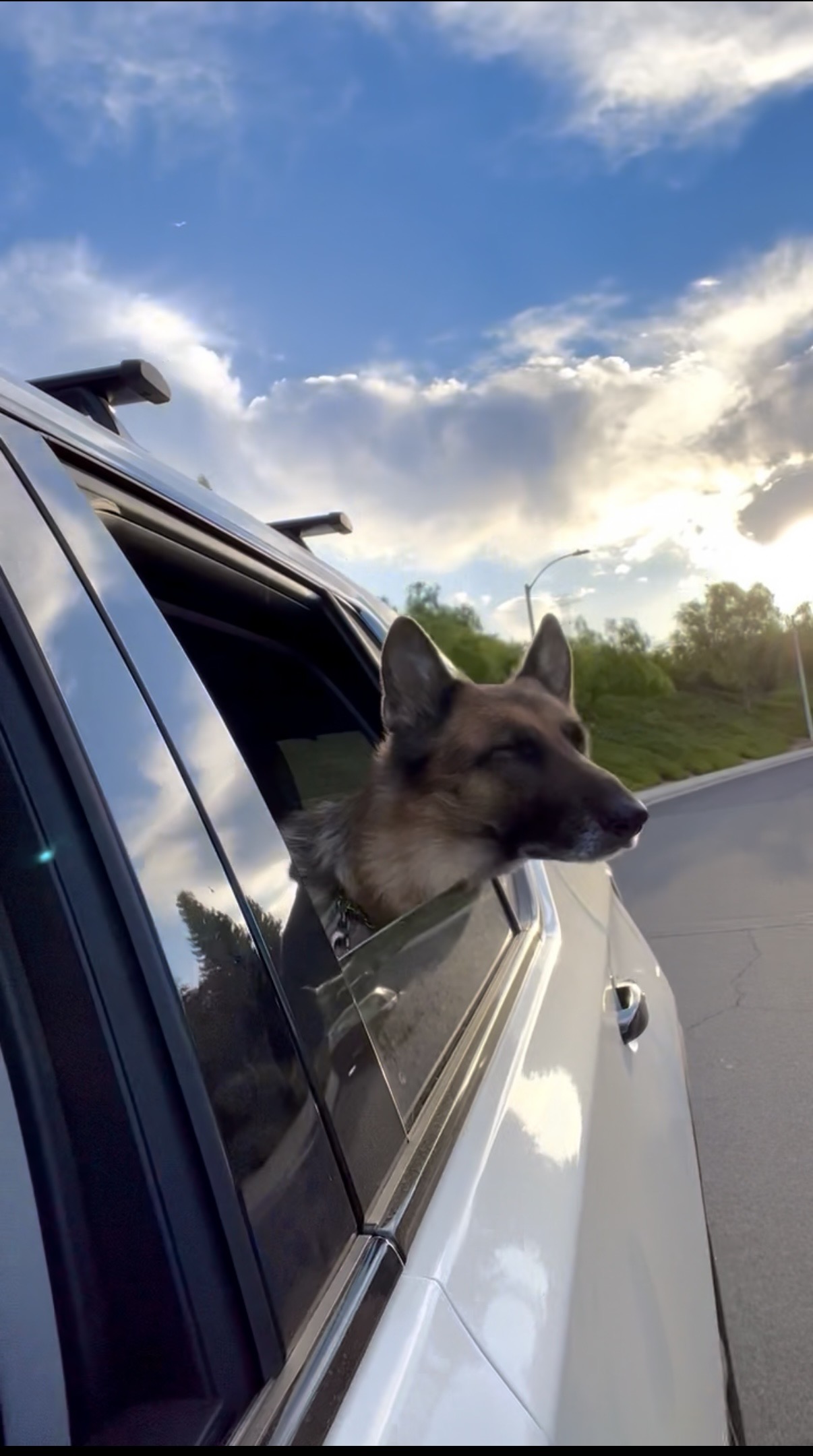
What has helped our dogs with car sickness, plus a few things to consider before hitting the road with a queasy travel buddy.
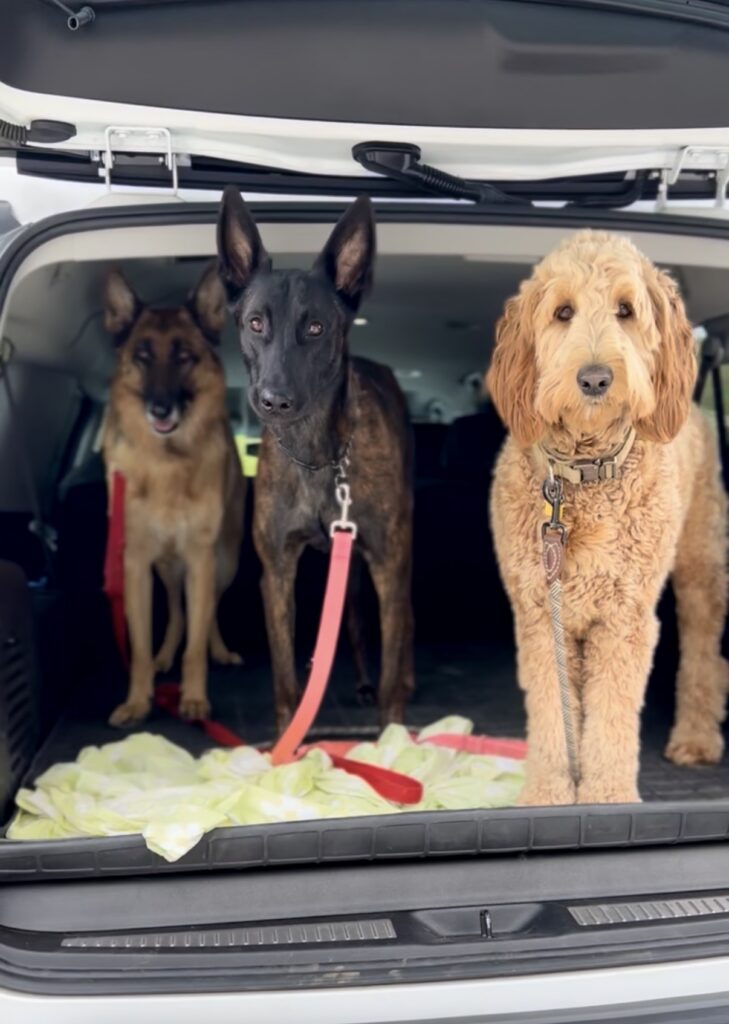
Let’s be honest—road trips are a lot more fun when your dog is enjoying the ride instead of looking like they’re about to decorate the backseat with their breakfast. 🤢🐶
We’ve had dogs that get car sick, and over the years we’ve found a travel-day routine that has worked well for our crew.
But every dog is different, so think of this as what works for our dogs—not a feeding or medical recommendation for yours. If your dog regularly gets car sick, talk with your veterinarian about what may be causing it and what might help.
🐾 What Has Worked for Our Dogs
Our dogs have historically done better in the car when they don’t eat their regular breakfast immediately before a road trip. We normally feed them their regular meal the night before and adjust their travel-day feeding based on the trip.
We still bring treats and snacks because apparently no road trip is complete without a dog staring hopefully at the snack bag. 😂 How much—and when—we offer food depends on the trip and the individual dog.
If your dog gets car sick, ask your veterinarian about the best travel-day feeding routine for them rather than assuming what works for our dogs will work for yours.
🐶 Sometimes It Isn’t Just About Food
Car sickness isn’t necessarily just about what’s in your dog’s stomach. Motion sickness, anxiety and negative associations with riding in the car can all contribute to an unhappy traveler.
Short, positive practice rides may help some dogs become more comfortable with car travel. Keeping the car comfortable and giving your dog time to adjust can help too.
If your dog regularly drools excessively, whines, seems distressed, vomits or otherwise appears unwell during car rides, talk with your veterinarian. They can help determine what may be going on and whether other strategies or medication might be appropriate.
❤️ What We’ve Learned From Our Travel Crew
The biggest lesson we’ve learned is simple: know your dog.
Pay attention to how they handle car travel, don’t assume every dog’s needs are the same, and make adjustments when something isn’t working.
For our dogs, finding a routine that works has made road trips much more enjoyable. Instead of spending the drive feeling sick, they can concentrate on the important things—sniffing new places, supervising the humans and wondering why we didn’t stop at that one interesting bush.
Want to Learn More About Dog Motion Sickness?
For additional veterinary information about motion sickness, anxiety and car travel, we recommend reading VCA Animal Hospitals’ “Motion Sickness in Dogs” and talking with your own veterinarian about your dog’s individual needs.
Most importantly, know your dog, listen to your veterinarian, buckle up and get ready for your next adventure!
Because the best road trips should be full of wagging tails, muddy paws, amazing memories… and hopefully zero backseat barf. 😂🐾🚗
👉 Planning a trip with your dog? Check out our Dog-Friendly Travel Planning: 5 Things to Consider Before Your Next Adventure for a few more things to think about before you hit the road.